Dreaming of Fenway Park
The Recap
What This Is
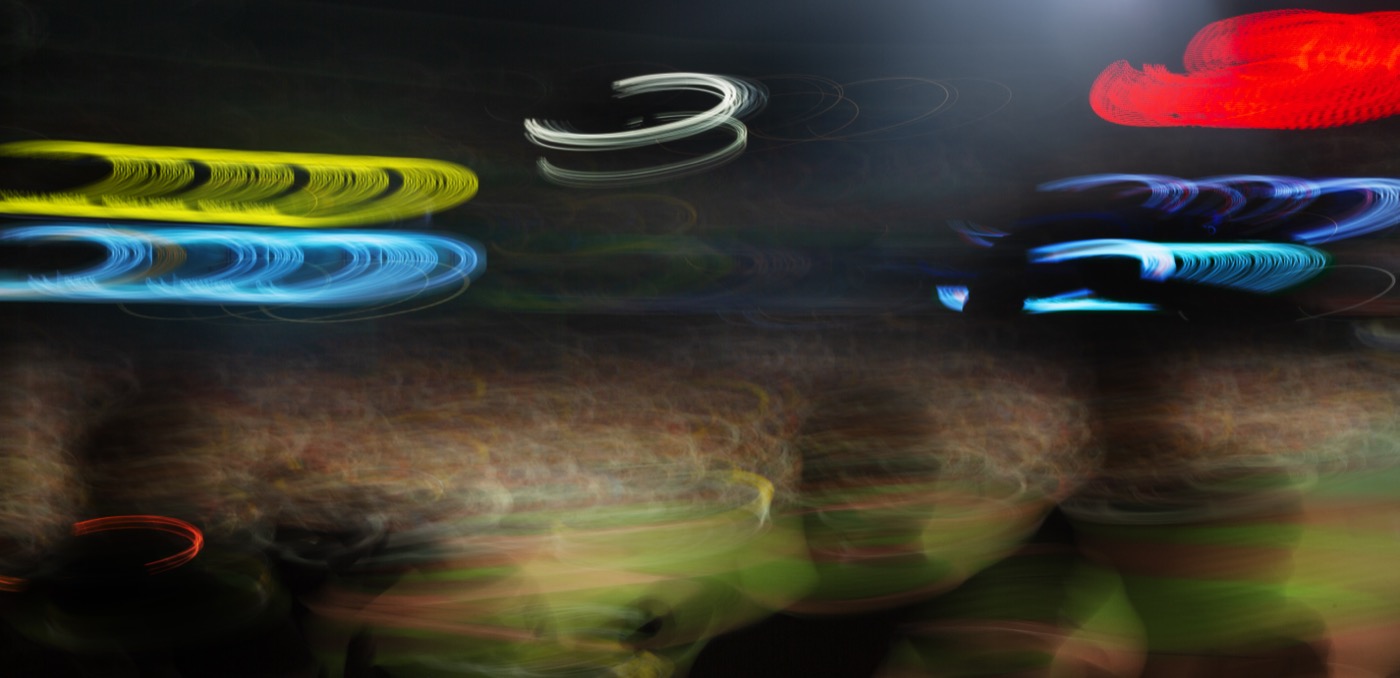
Thirty eight photographs made inside Fenway Park, the oldest ballpark in baseball. Every one is a single exposure, shot with a slow shutter while the camera moves on purpose, so the frame comes back looking closer to watercolor than to a photograph. Nothing here is composited and nothing is a filter.
It is a chapter of Dreaming of, a series that takes a place I know well and photographs it the way I would remember it rather than the way it looks. Boston's North Shore was the first chapter. Fenway is this one.
Everyone who loves baseball carries a version of the ballpark in their head. It is never quite how the place actually looks.
The Night
Almost all of this was made across one game: August 22, 2026, Red Sox against the San Francisco Giants.
The Red Sox were in the middle of a run nobody saw coming. A club buried in the standings in May had run off two long winning streaks through July and August and clawed back into the wild card conversation. The Rafael Devers trade to San Francisco was supposed to sink the season. Instead the room he left behind let a younger core play, and by August the park was selling out on weeknights. Devers was back at Fenway for the first time since the trade, and there was no love in the building for him.
The game itself stayed quiet and stayed close. A hit by pitch or a harmless single drew something closer to wild applause than a cheer. By the seventh, Boston was down two to nothing. Sweet Caroline came on in the middle of the eighth and the place woke up.
In the bottom of the ninth, Nick Sogard doubled off the Green Monster to tie it. Then the bases loaded with one out, and Wilyer Abreu came to the plate 0 for 4 with four strikeouts on the night. He made weak contact down the first base line, Bryce Eldridge dove to field it and threw home, and the throw pulled the catcher off the plate by inches. Safe on the field. Then the review. The call stood. Red Sox 3, Giants 2.
That is the arc the book follows, in order, from an overcast summer evening to a pile at home plate in the ninth.
How These Are Made
I used one camera and one lens for the whole project. The part people miss is the movement. I pick a move that caricatures what is in front of me, the way a caricature artist exaggerates the one feature that makes a face that face. Fenway is old and tight and alive, holding a hundred years of people who sat in those seats and stood up out of them, so the movement has to exaggerate that.
Standing Room is the clearest example. I wanted the one second where a whole section comes up onto its feet together, so I whip panned upward as they stood. What came back looks closer to a painting than a photograph, and it holds that second better than a sharp frame would have.
The full technique, and why a working director of photography ended up making still photographs this way, is written up here: intentional camera movement →
The Prints
Three of the thirty eight are sold as signed and numbered limited edition prints in the print shop. The other thirty five appear only in the book.
Rocket Off the Wall
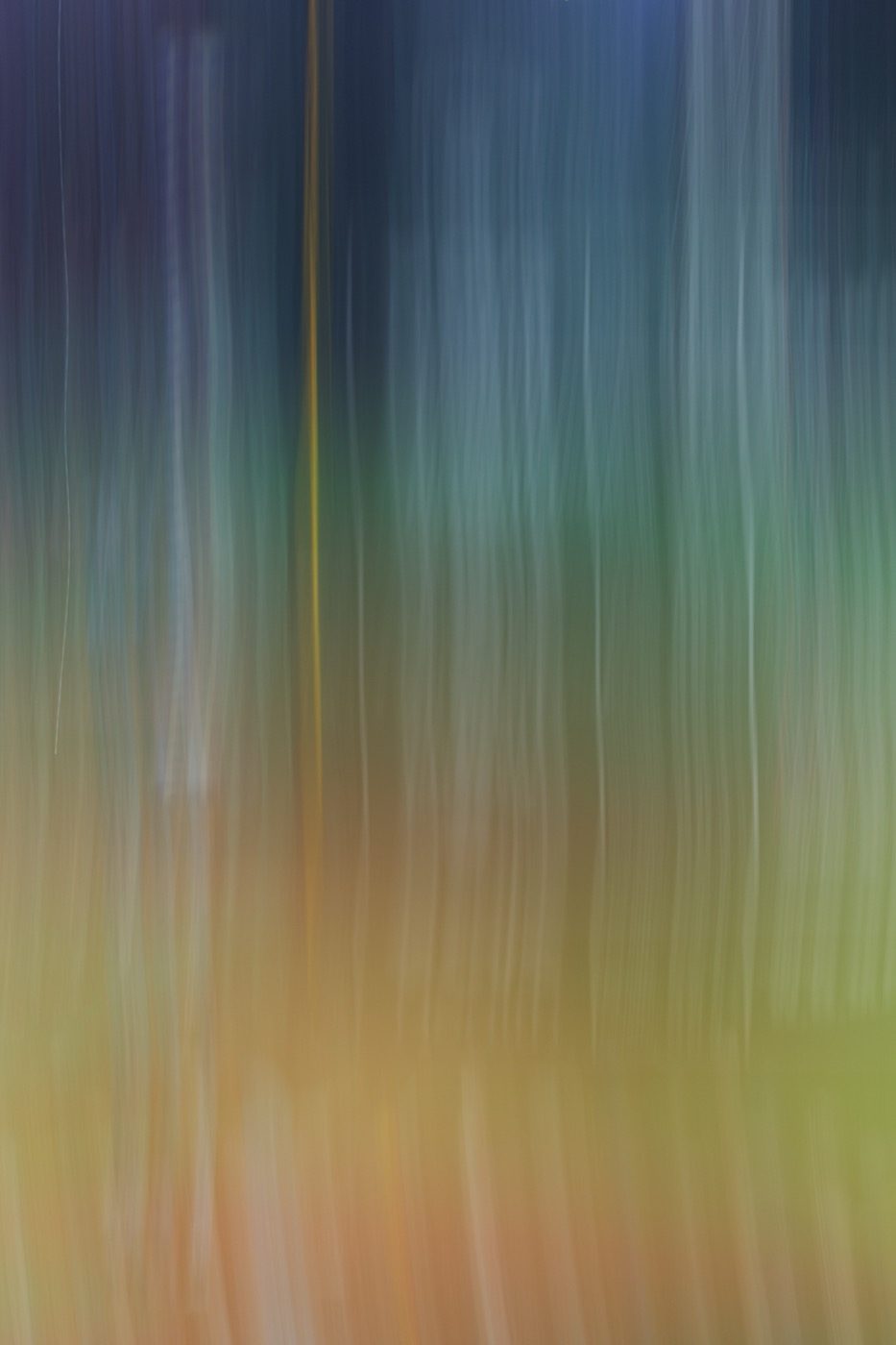
Fenway Park, Boston, MAThe dugout empties, the call stands, and the whole park comes up out of its seats at once.
Nine Innings
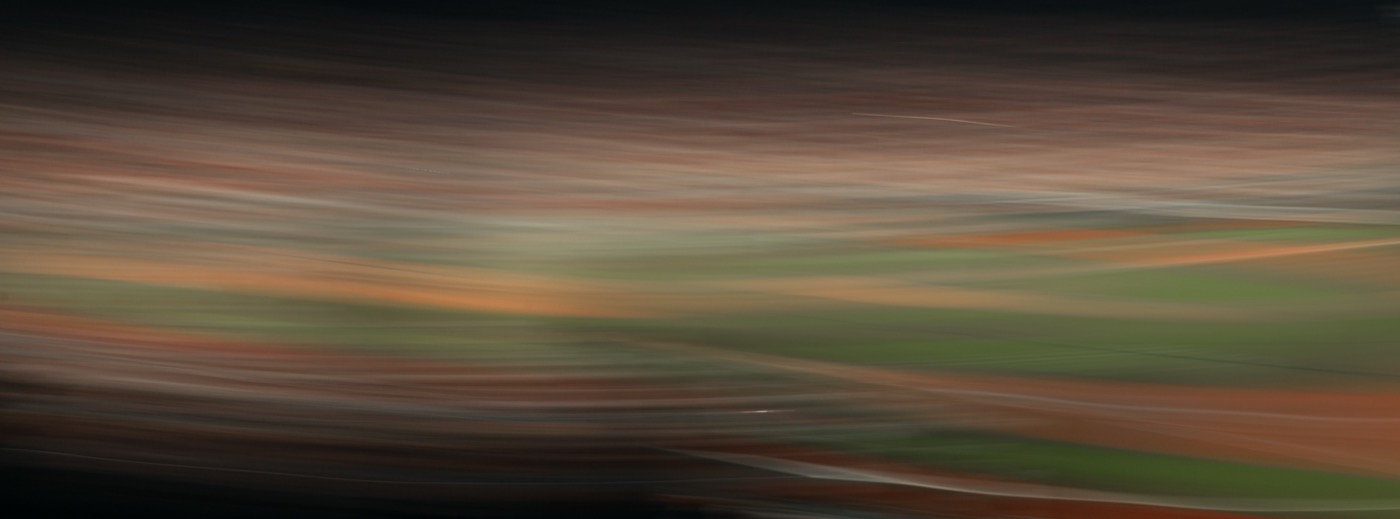
Fenway Park, Boston, MALights came to Fenway in 1947, and the towers holding them up have been standing ever since.

Obstructed View
Fenway Park, Boston, MAThe gamble every ticket takes: even the best seat can sit behind a century-old pillar.
The Book
The second edition carries all thirty eight photographs and runs the night in order, from the walk in on Jersey Street to the walk off, with a locator map and every caption printed at the back as a field note with each photograph's shutter, aperture, ISO, and lens. It comes in two editions, softcover and hardcover, both 8.5 by 11 inches and sixty eight pages.
Both editions are at the printer, so neither is on sale yet. You can page through either one in full in the print shop, and join the mailing list to hear the day they open.
Common Questions
Is the blur added in editing?
No. Every frame is a single exposure made in camera. The movement happened while the shutter was open.
What game is this?
August 22, 2026, Red Sox against the Giants at Fenway Park. Boston trailed two to nothing into the ninth and won it three to two.
Can I buy a Fenway print?
Yes. Three of the thirty eight are limited edition prints: Rocket Off the Wall, Nine Innings, and Obstructed View. Each comes in a range of sizes, as a print, on canvas, or framed, and every size is its own hand numbered edition. Details are in the print shop.
Do you ship?
Everything is made to order and ships from Massachusetts. Local pickup around Boston and the North Shore can be arranged.
See More
The print shop → How these are made → Photography portfolio →
Fenway Park Prints
Each of these three photographs is printed on archival lustre paper, inspected, signed, and numbered by hand. Every size is its own numbered edition, the largest sizes in the shortest runs. Once an edition sells out it is never reprinted.
See the Fenway Prints →More work: Photography Films & TV About