Intentional Camera Movement
The Recap
What Intentional Camera Movement Is
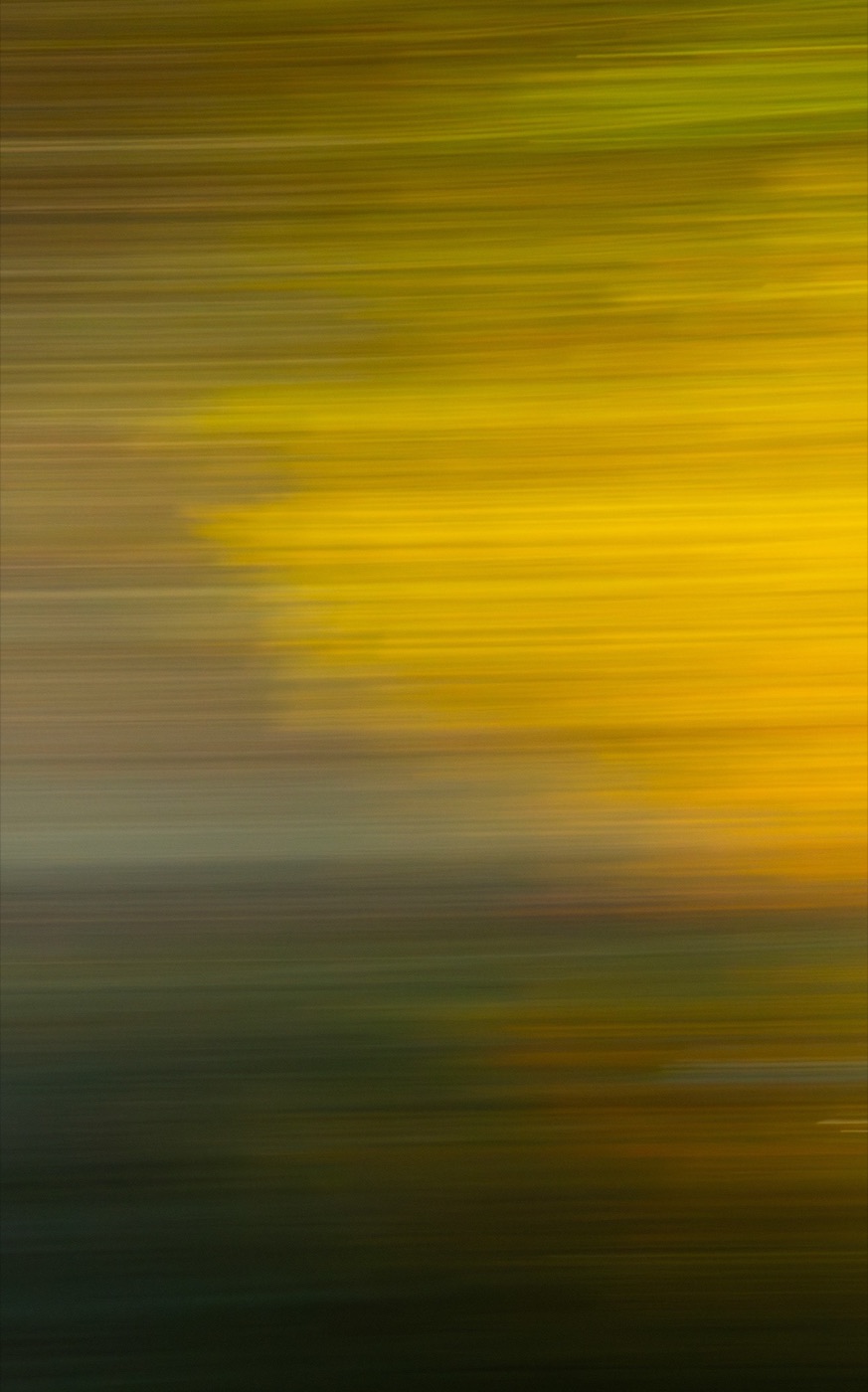
Intentional camera movement, usually shortened to ICM, means moving the camera on purpose while the shutter is still open. A normal photograph freezes a fraction of a second. These do the opposite. The shutter stays open for around a second, the camera moves, and everything that passes in front of the lens in that time lands in the same frame. Shapes give up their edges. What is left is color, light, and motion.
Every one is a single exposure made in camera. If a frame does not work, it does not get fixed in Photoshop. It gets made again.
Why I Started
Photography school drilled perfect exposure and perfect focus into me. In 2019 I started breaking both rules on purpose: longer exposures, intentional blur, images that feel like time passing. Then came lockdown, when days passed like hours and weeks passed like minutes, and the blurred frames started to look like how the days felt. I didn't know it when I started, but I was making a project about time.
The other reason comes from my day job. Somewhere along the way I started reaching for a video camera instead of a still camera whenever I wanted to tell a story. Video holds something a photograph normally can't: duration, how long a moment lasted and how it moved.
These photographs bring that back the other way. As a director of photography I spend my days deciding how a camera moves and what the move makes a viewer feel. A slow pan settles a scene. A push pulls you in. Here I make the same decisions with one second to work in instead of a whole timeline. The move is the shot.
A photograph normally holds a moment. These hold a whole second of one.
How a Frame Gets Made
The movement is the composition. A vertical pull turns a stand of trees into streaks. A slow horizontal pan trades a shoreline's sky and sand for their colors. Walking with the camera lets a lane dissolve at the pace of a stride. Each of those is a different decision made before the shutter opens, and the direction and speed of the move matter as much as where the camera is pointed.
It is not a technique that rewards precision so much as repetition. The light has to be right, the movement has to be right, and the two have to happen at once. Most attempts get thrown away. The frames below are the ones that held.
The Frames
These were made across Boston's North Shore between 2019 and 2025, in Salem, Beverly, Beverly Farms, Peabody, and Gloucester. Together they make up Dreaming of Boston's North Shore, the first chapter of the series.
The same technique carried into a ballpark for the second chapter, Dreaming of Fenway Park: thirty eight photographs made inside the oldest ballpark in baseball, built around one walk off night.
The Walk Home
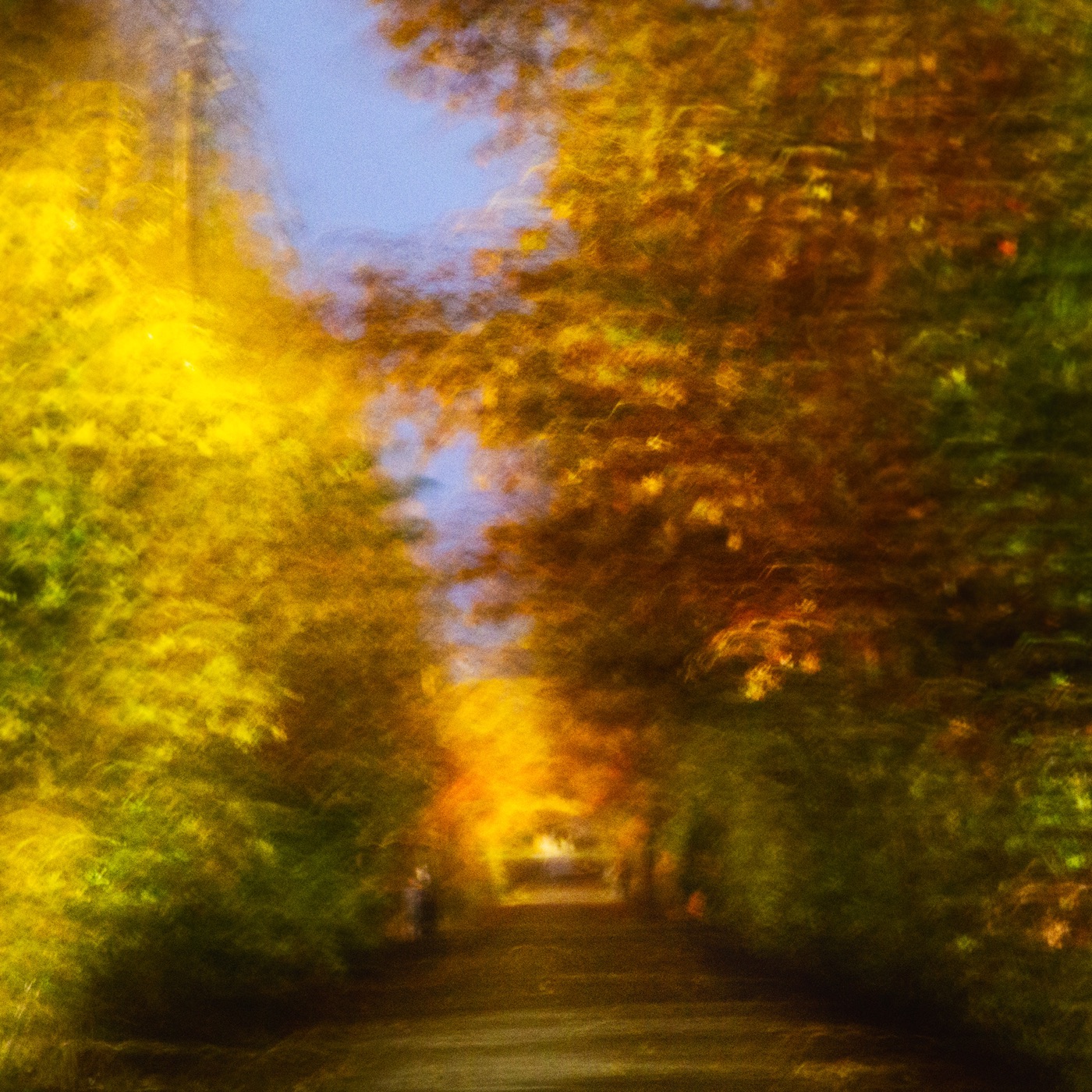
Peabody, MA · 2025An afternoon walk under peak fall color, the lane dissolving as the camera moved with my stride. One exposure, one whole moment.
Falling Light
Peabody, MA · 2024Autumn woods pulled vertical in a single second of movement, the trees trading their shapes for streaks of green and gold.
Quiet Tide
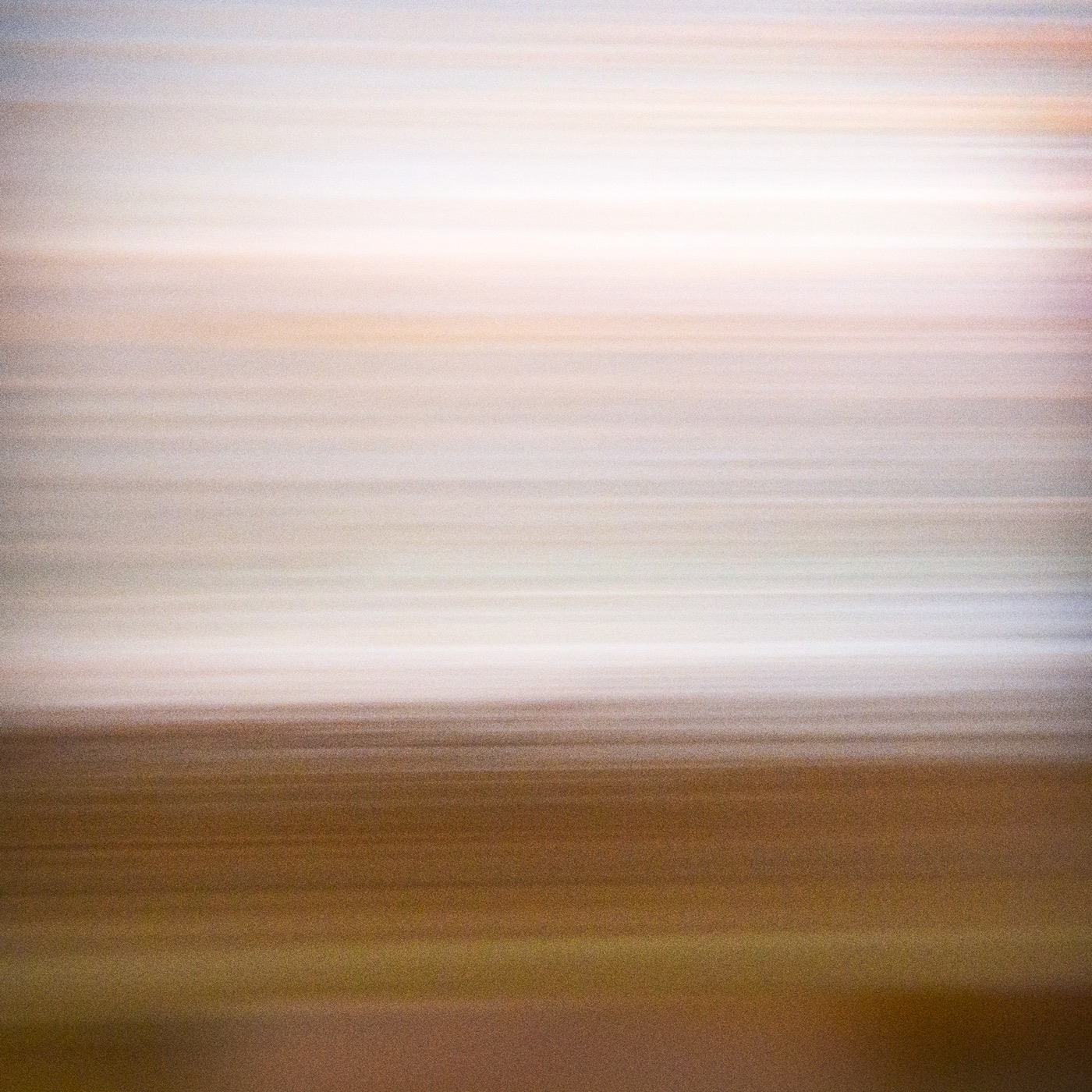
Beverly, MA · 2019The shoreline at last light, sky and sand traded in a slow horizontal pan until only their colors remained.
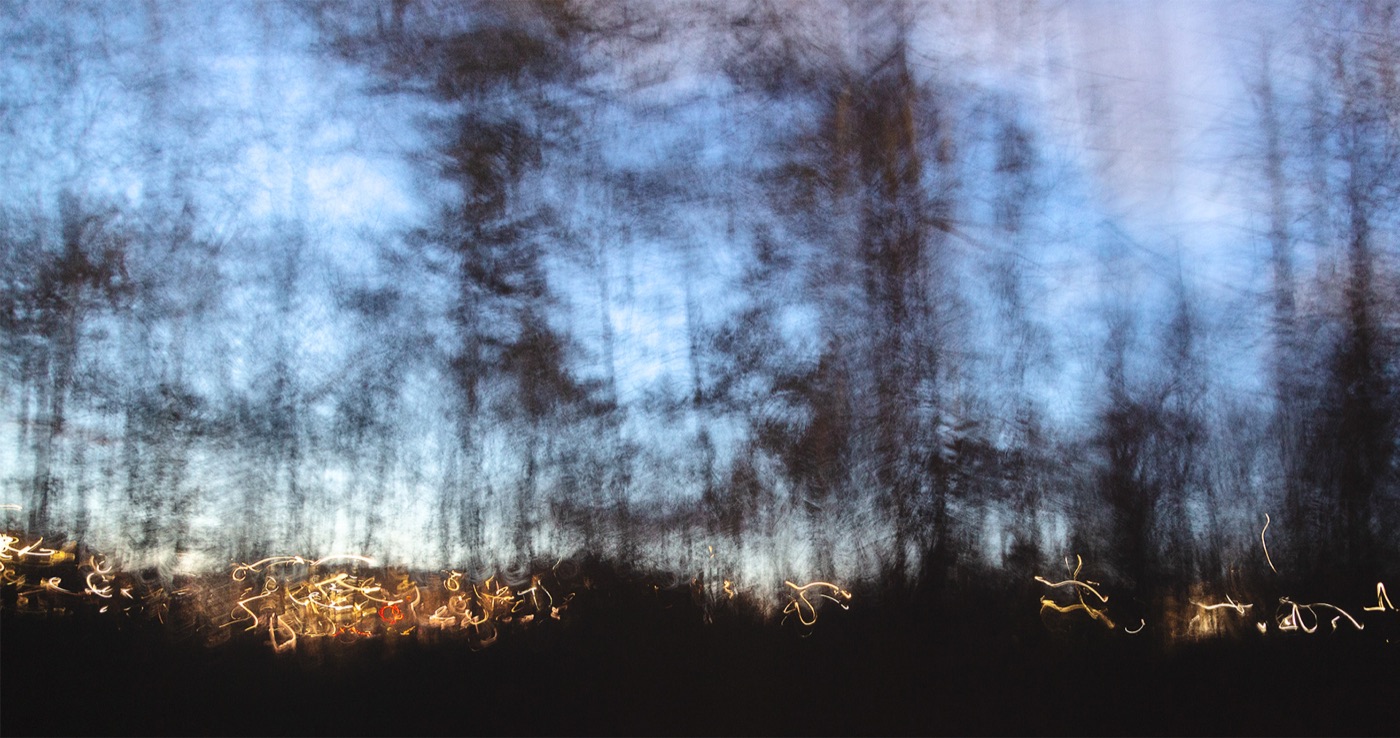
Night Passage
Beverly Farms, MA · 2019Bare winter trees at dusk, with headlights writing their own lines through the dark below. A full second of a cold night.
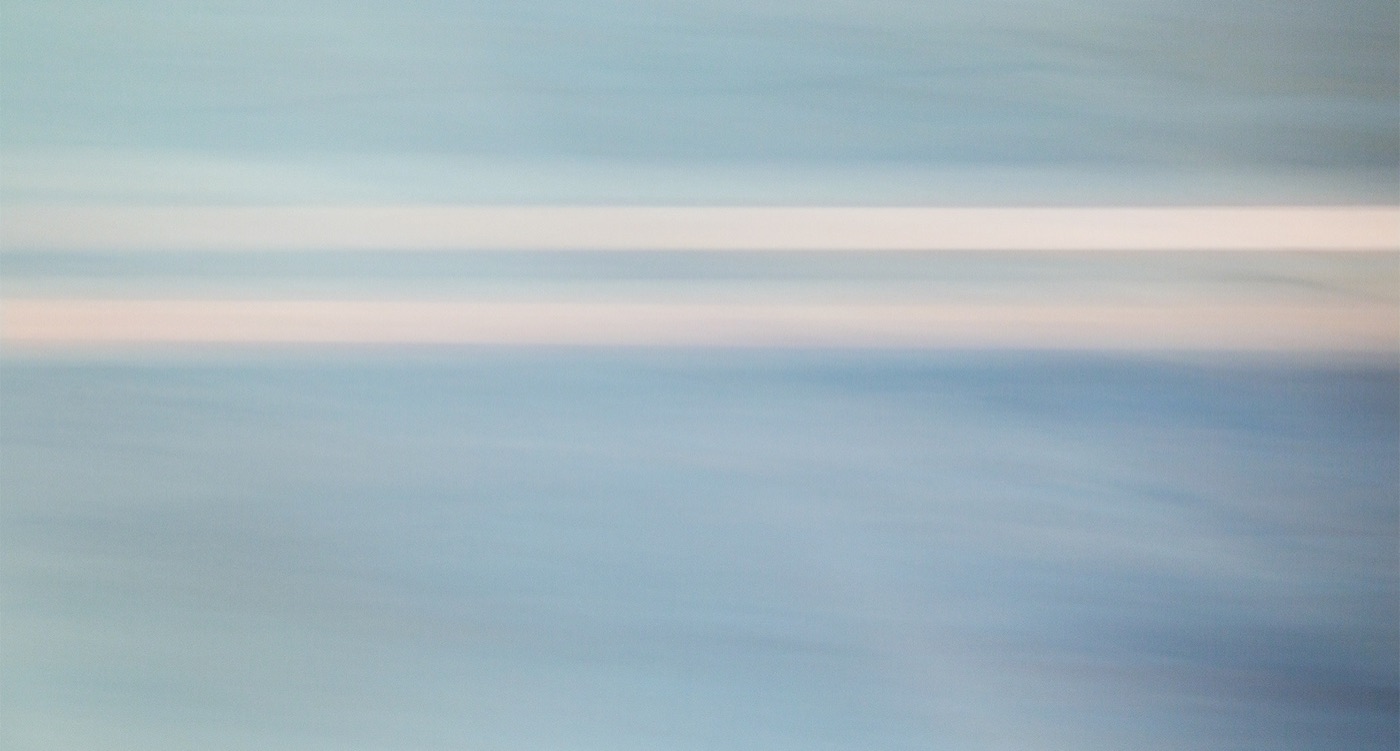
Open Water
Gloucester, MA · 2022The horizon off the North Shore reduced to bands of blue and one soft line of light. The quietest frame in the drop.
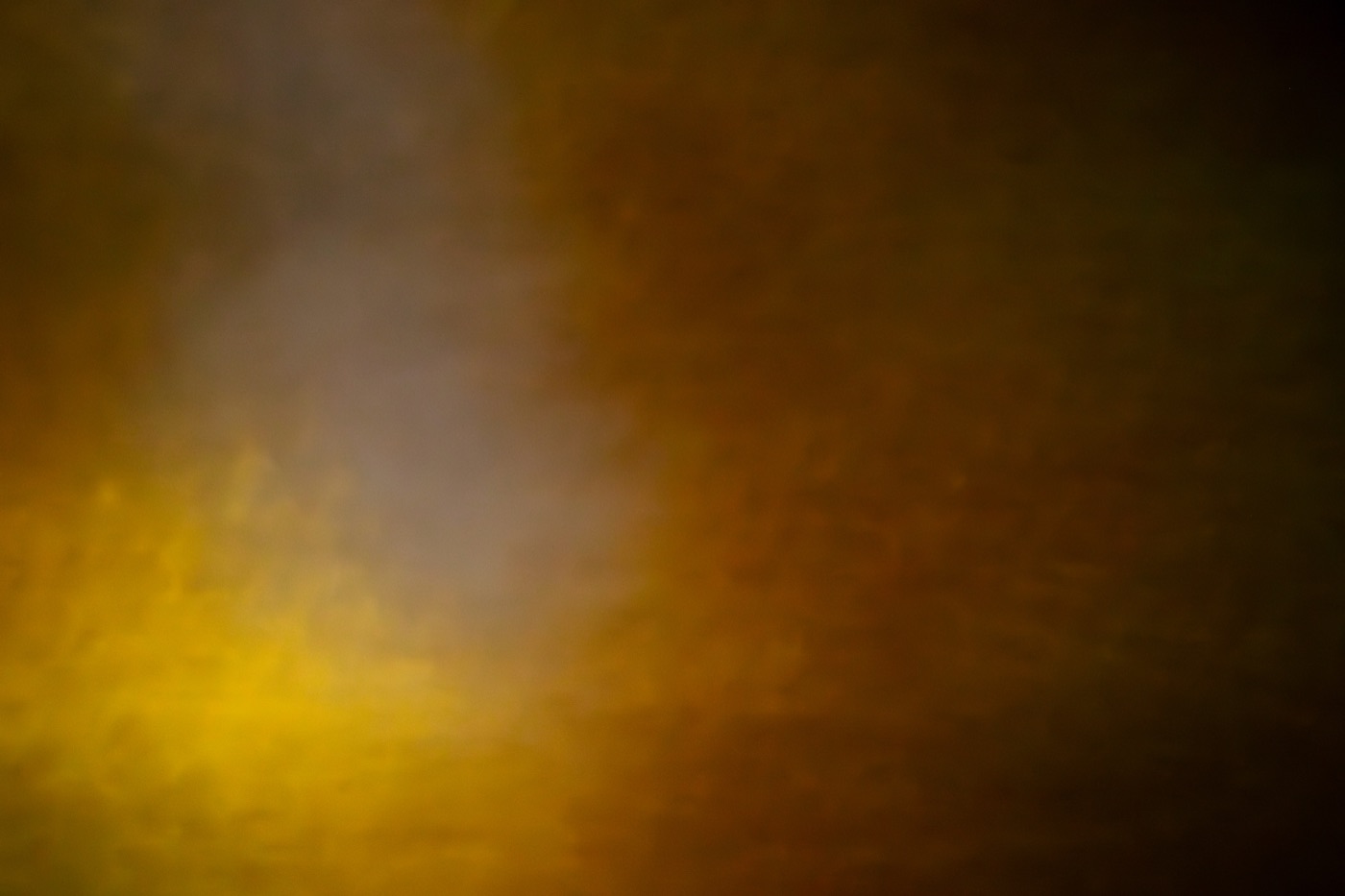
Ember
Salem, MAA study in warm light and shadow, the camera moving through a single glow until it burned like an ember.
Common Questions
Is the blur added in editing?
No. Every frame is a single exposure made in camera. The movement happened while the shutter was open.
How long is each exposure?
Around a second. Long enough that a whole moment lands in one frame, short enough to still hold a shape worth looking at.
Can I buy them?
Not right now. The Walk Home, Night Passage, and Open Water are signed and numbered limited edition prints, but this drop is between printings, and the North Shore book is still in production. Join the mailing list and I will email you the moment they open again.
Is anything on sale today?
Yes. The Fenway Park prints from the second chapter of the series are live, three photographs in a range of sizes, as a print, on canvas, or framed. They are in the print shop. The Fenway book is at the printer alongside the North Shore one, so the mailing list covers both.
See More
Limited Edition Prints
Each print is made on archival lustre paper, inspected, signed, and numbered by hand. Every size is its own numbered edition, the largest sizes in the shortest runs, and once an edition sells out it is never reprinted.
The Fenway Park prints are on sale now. The North Shore ones are between printings, so join the mailing list to hear when they open.
See What Is On Sale →More work: Photography Films & TV About