Marshall Wood Band
Editor·Multicam Edit
The Session
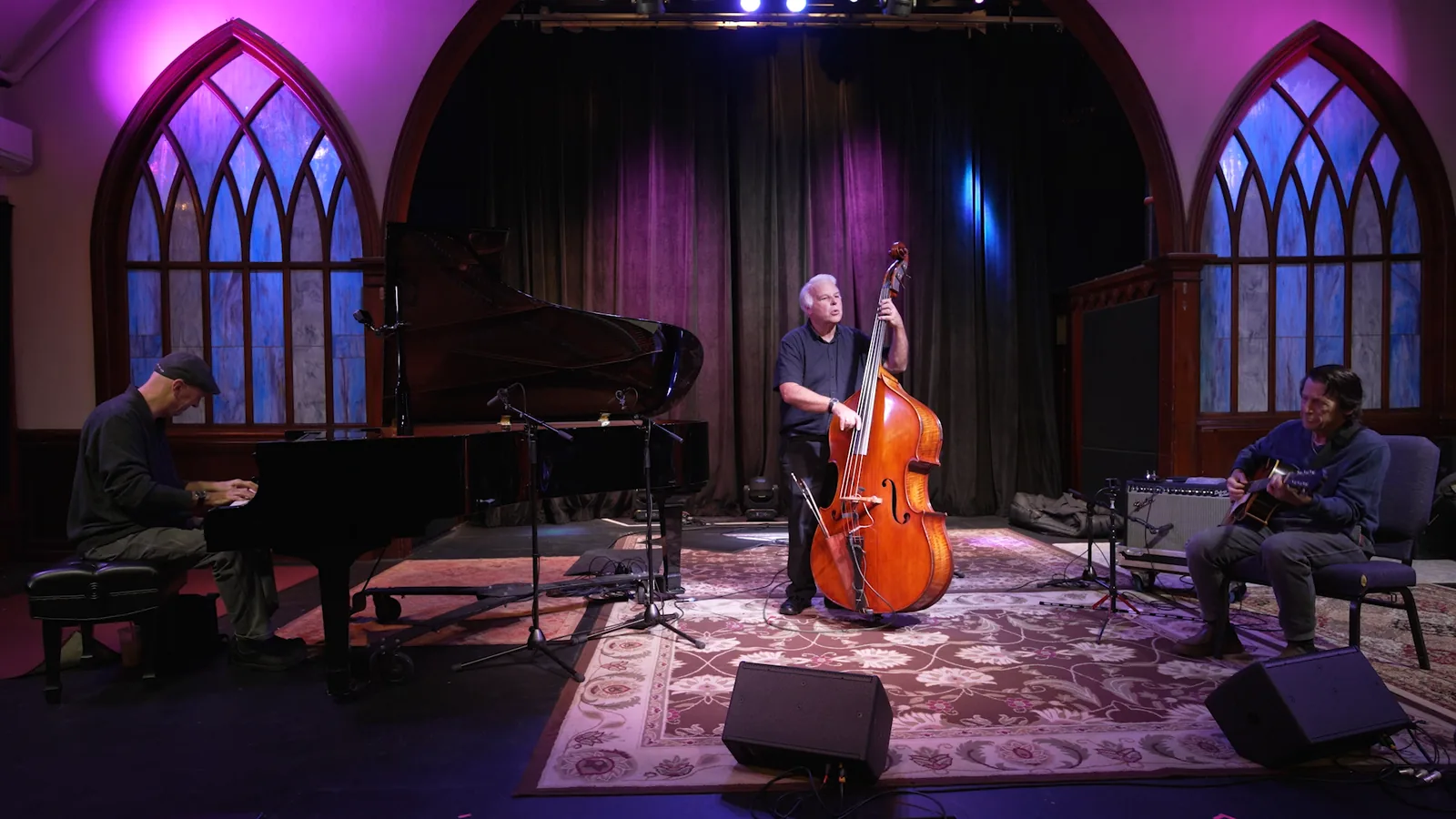
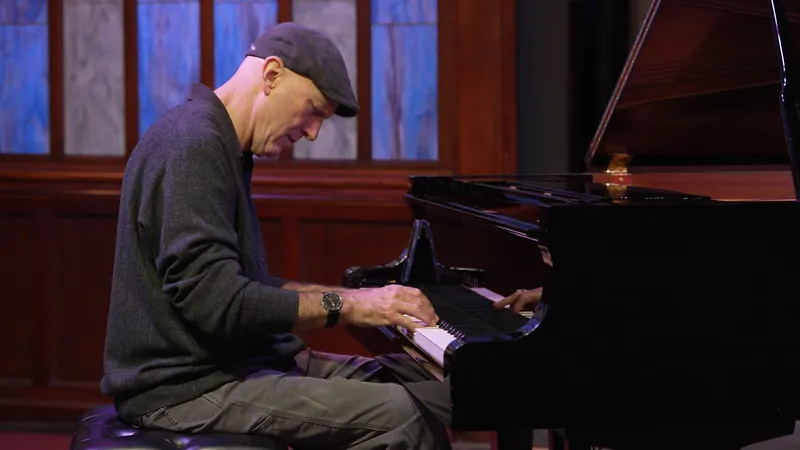
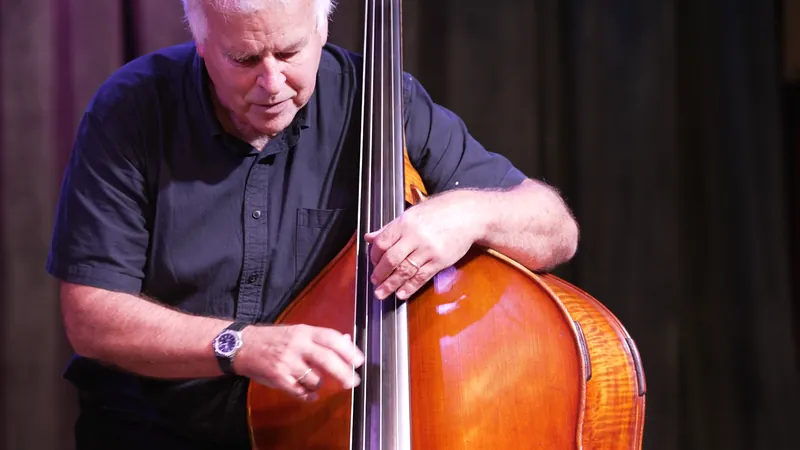
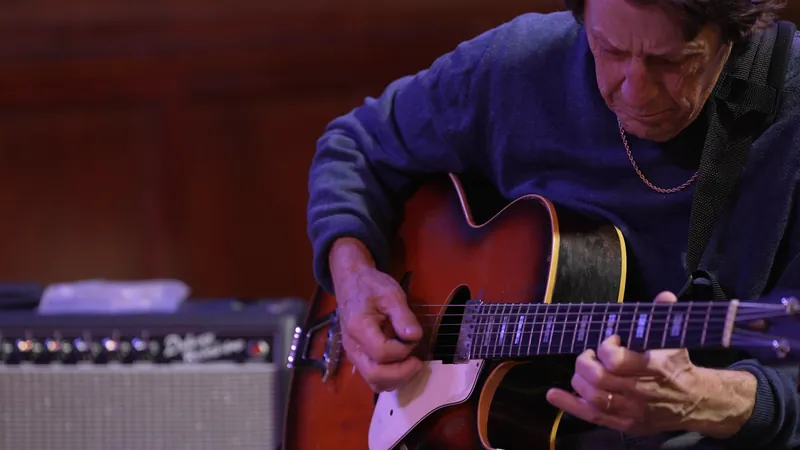
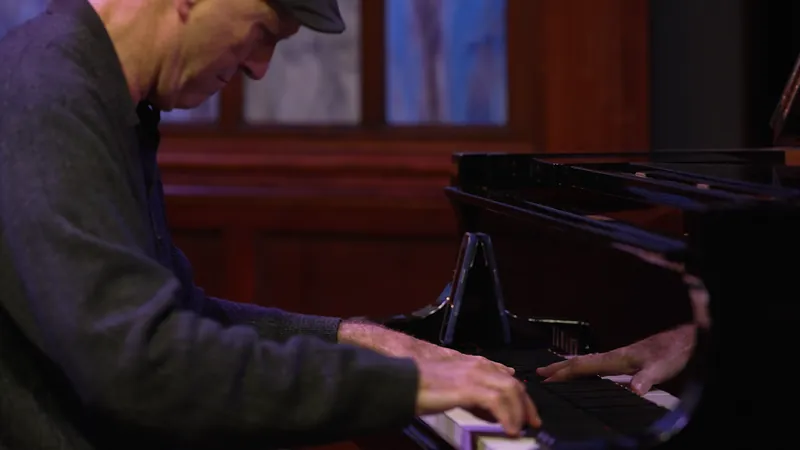
I edited a live jazz trio session in Plymouth, Massachusetts for Snowcap Productions, with Marshall Wood on bass, Tim Ray on piano and Gray Sargent on guitar. It was recorded October 17, 2026 in an empty church style hall, with no audience. Glenn Romero’s crew shot it on five cameras and recorded the board, and I cut the multicam.
The set is standards, from When Lights Are Low and Moon River to Body & Soul into Darn That Dream, plus Peace, which Tim plays alone. The room audio showed they played the songs in a different order than the set list, so before I cut anything I mapped every song from the recording.
The Edit
I had five angles: a locked wide of the room, an operated camera that moves to whoever is featured, and three GoPros on the piano, the guitar and a low wide. I synced all five to the board and color matched the GoPros to the main cameras.
From there the picture follows the music. I cut to whoever is playing or coming in, go wide between phrases, and hold long enough to watch a solo build. Songs meet on hard cuts, with no dissolves and no fade from black, so it plays like a live set.
The Moving Camera
Glenn’s note was more of the moving camera, without letting in anything shaky or soft, so I went through every move on that angle. A deliberate pan or a quick whip to the next player stays in. Wobble and missed focus come out, and every shot ends settled on a player.
The whips turned out to be musical, too. A whip off a soloist usually marked the real end of the solo.
There’s a ceiling, though. In the cut that went out, the moving camera carries about half the show, with holds near twelve seconds and short cutaways over the pans. When I pushed it further, the longer holds started to read as too much before the overall share did.
Notes From the Band
The band’s notes on the review copy became rules for the whole cut. Show the bass whenever he has the melody and stay there until it ends, no low angle looking up at the bass, and keep each player off screen in the songs he sits out. Where a group shot had to leave someone out, I reframed the wide inside the edit.
Then Glenn sent over finished mixes for every song, and they sound so much better than the board. The final version went out with his mixes laid in, all of the band’s notes, and a lot more of the moving camera throughout.
Links
Editing and multicam services → David Guzmán & The Leopoldo Quintet, a live performance film for BU →
Concerts & Live Music
If you’ve shot a concert, a session or a recital and need it cut, send me the footage and the set list. I’ll sync every angle to the board and tell you how I’d cut it.
Get in Touch →More project recaps: David Guzmán & The Leopoldo Quintet PMC Unpaved Fireside Chat